Sonoran Sidewinder from the edge of its range in La Paz County, Arizona. These small rattlesnakes are incredibly common in the right habitat, though rarely seen by hikers.
Feb
1st
2018
First snakes of 2018
I finally got out to check out some local dens that I follow, and scout for some new ones if it appears that it’s an active day. It’s been several years since I haven’t seen a rattlesnake in January and I had to give it a shot. I haven’t really even gotten out this year yet, due to our tiny baby daughter needing her dad around instead of shining lights into various desert holes.
Often, when I’m going to scout for new dens, I’ll check out a known site first, just to calibrate and manage expectation … if nobody is out at a known site, then I shouldn’t expect them to be out at a new place, either, so it stays on the “maybe” list. The first stop of the day produced no snake sightings, even though there are at least 20 Western Diamondbacks at this location … so, it’s going to be a slow day. Conditions are really bad, too. Not just because it’s January (you’d think this is enough), but the huge swing in temperatures. Last night at this site it was near freezing at sunup, and the rock temperature measured at >120F by noon with bright sun and moderate wind. That means that under the rocks, it’s lethally cold, and on top of the same rock, it’s lethally hot. There’s not a lot that a rattlesnake can do with that, and no incentive to burn internal moisture by sitting around on the surface.
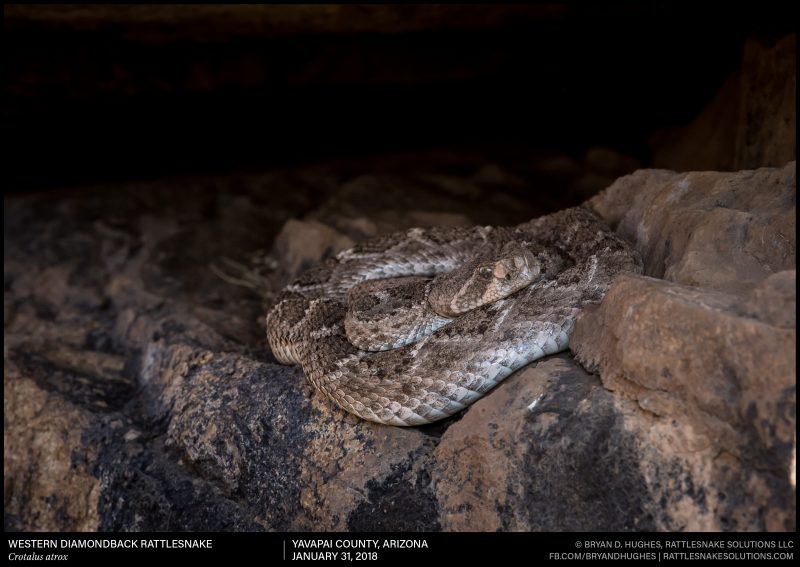
Still, the first snake of the day was a large Western Diamondback sitting in partial cover at a new densite. This wasn’t even on my list of scouts for the day, it’s just an outcrop that I drove by and thought it’s worth a 20 minute hike to check out. I can’t wait to return in a few weeks at the height of activity. No photos of this snake, it went down quickly and I do not want to disturb any snake at a den.
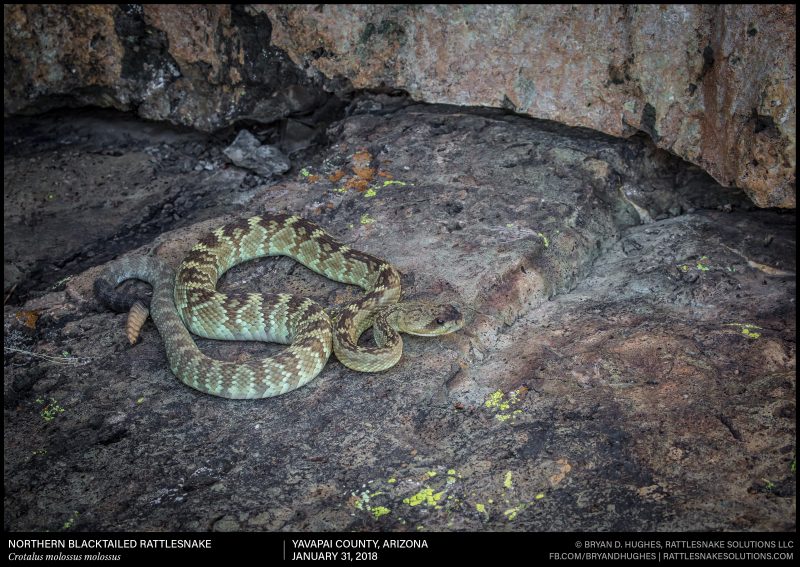
I eventually went to the largest known site that I visit and, as expected, about everyone was hidden. One of the two primary den entrances had a Western Diamondback sitting outside, and shining the surrounding cracks showed a few more tucked away. At the Blacktailed Rattlesnake den that’s about 100′ above the Diamondbacks, a single Blacktail was sitting out on the cold side. Unfortunately he saw me first and cinched up from his fully outstretched position, but thankfully he stayed that way long enough for me to get a couple of shots.
Jan
17th
2018
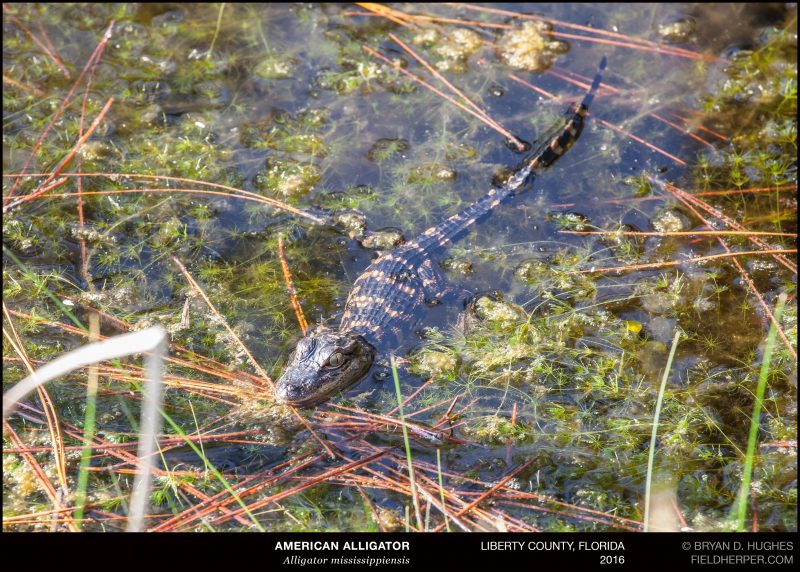
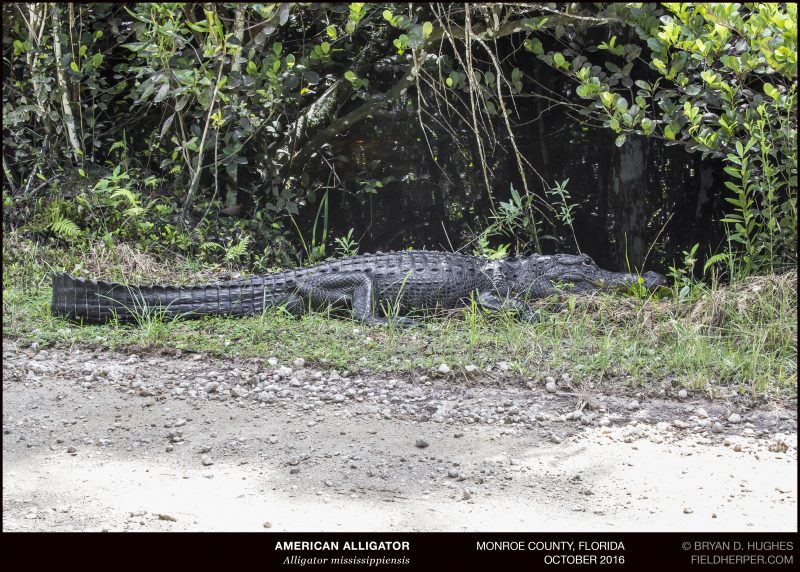
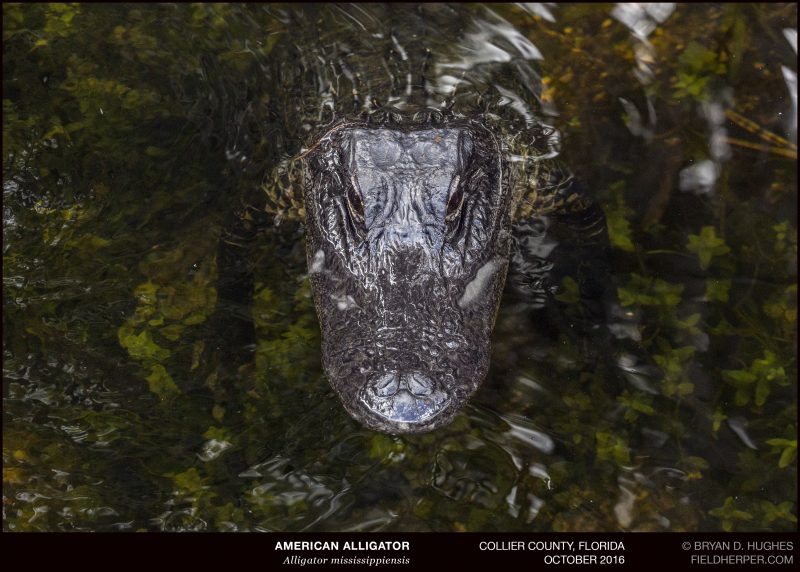
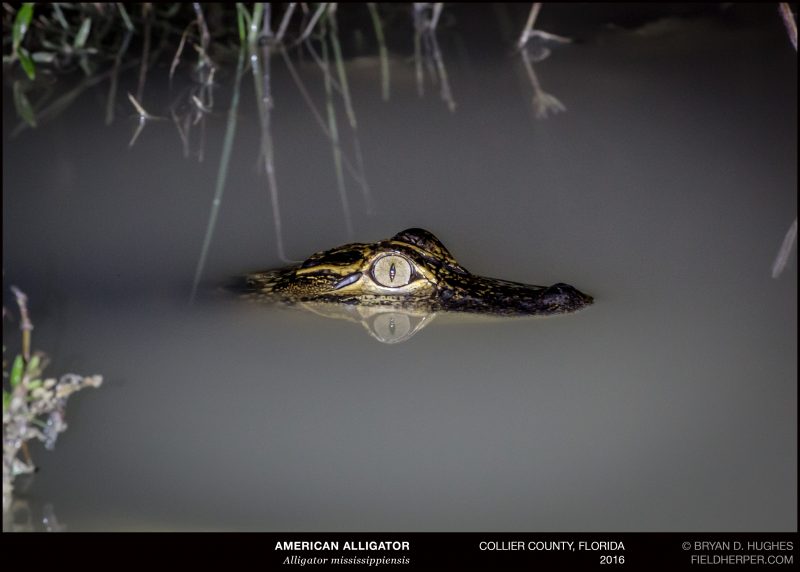
Alligators!
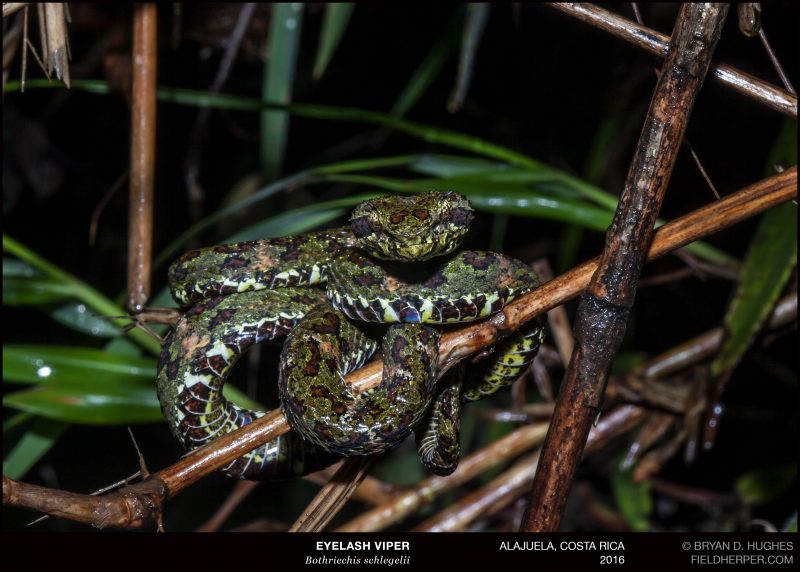
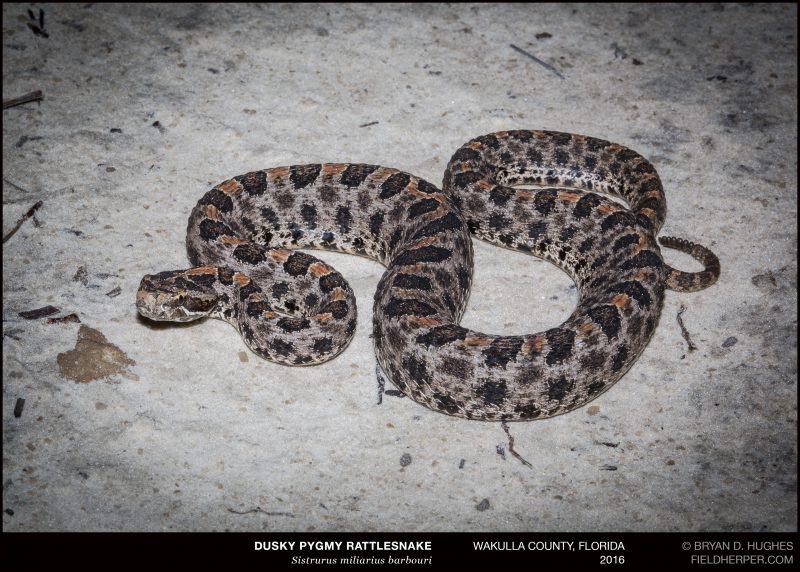
Even though they are very common where they are found, an alligator was big on my list for my trips to Florida in 2016. I’d already seen a couple of American Crocodiles in Costa Rica earlier in May, so this was looking to be a great year for crocodilians. My first trip to the panhandle in August produced only a single, baby alligator. My trip later, in October, however, I got my fill (and saw a couple of crocs too).
Jan
7th
2018
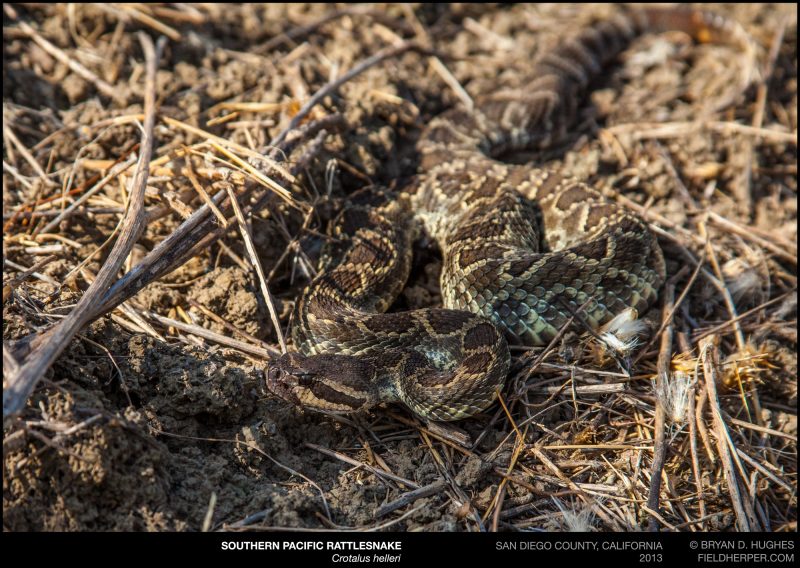
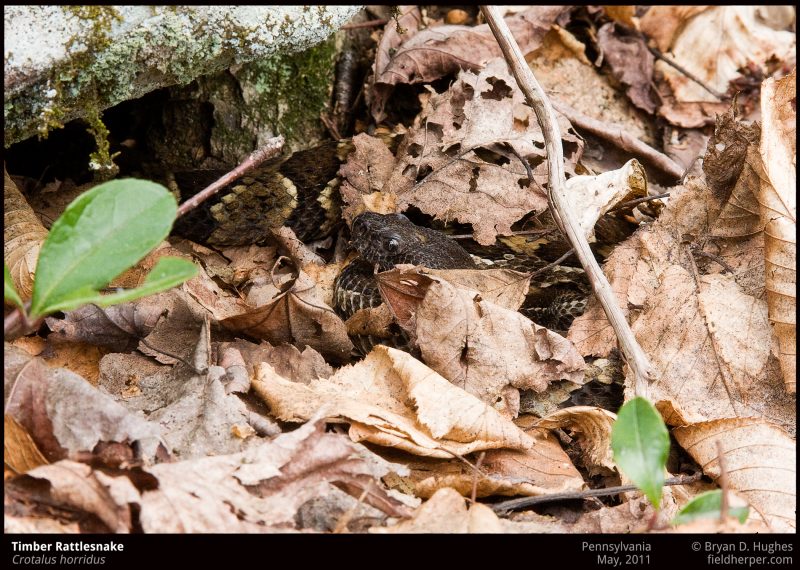
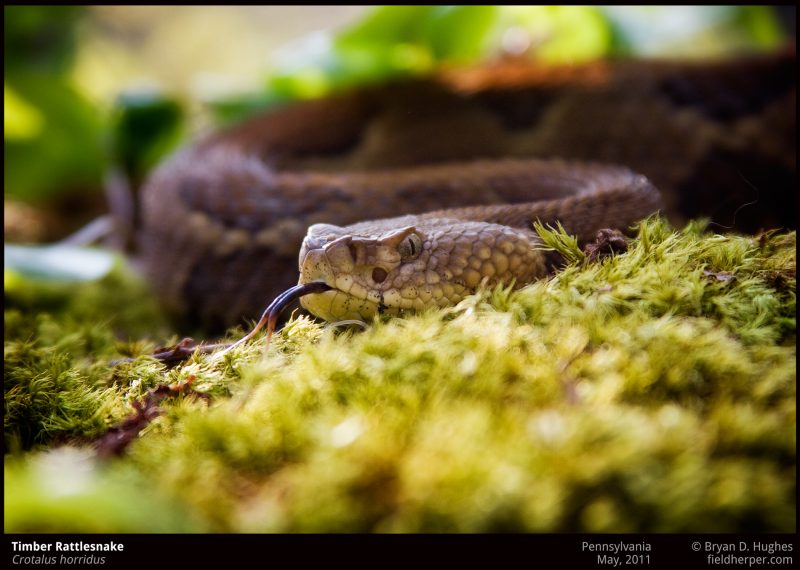
Southern Pacific Rattlesnake
This is one of the more under-rated rattlesnakes that’s out there. They’re very common in Southern California, and considered pests by even people who love snakes in the area. I personally think they’re amazing and one of the most adaptable rattlesnakes, able to exist in good numbers in even long-developed areas better than any rattlesnake I can think of.
Jan
3rd
2018
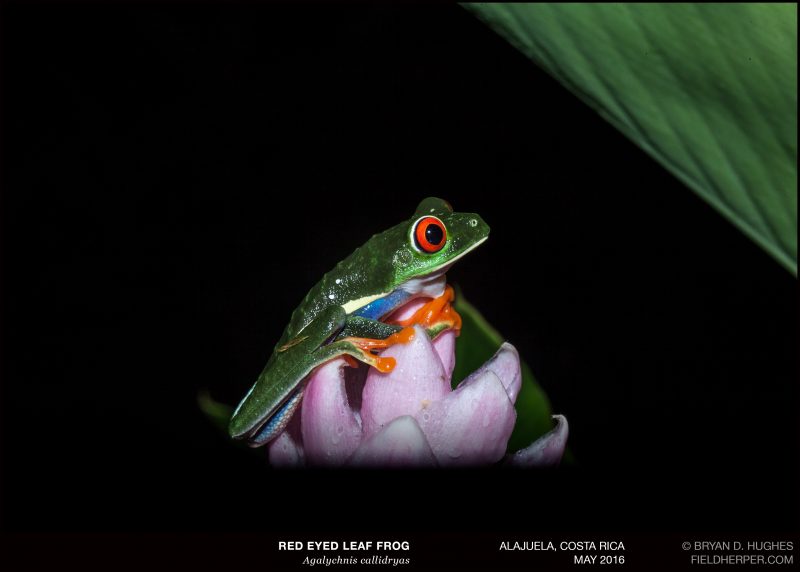
Red-Eyed Treefrog in Costa Rica
These guys were very common in the flowers near the hotel we were staying at.
Jan
1st
2018
Trans-Pecos Copperhead from West Texas
This is the first copperhead I ever photographed … and actually, the first non-rattlesnake pit viper. 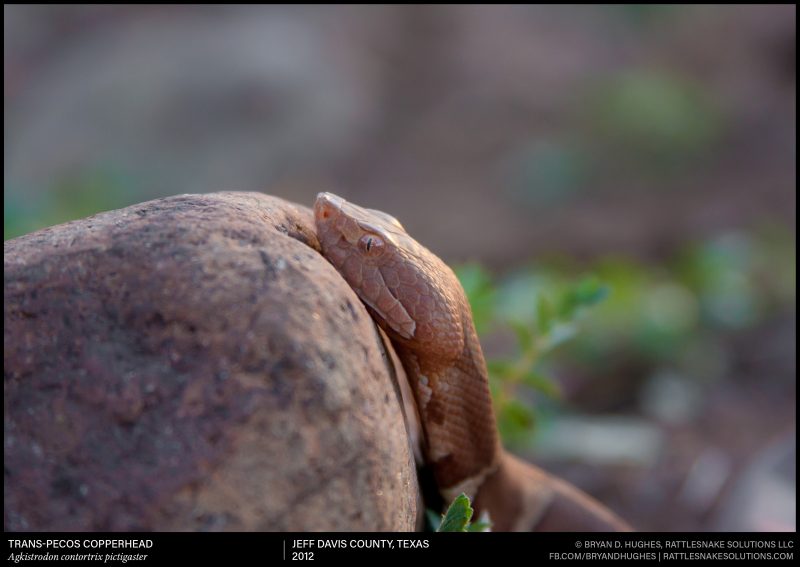
Dec
30th
2017
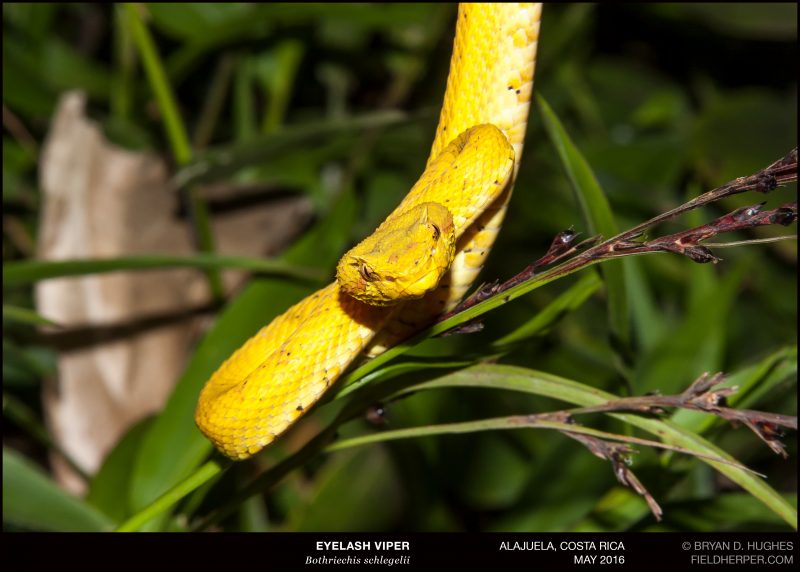
Golden Eyelash Vipers near Arenal in Costa Rica
Although about anyone with a camera that sets foot in Costa Rica gets a photo of these guys, I really enjoyed finding them in my time there.
These bright yellow snakes moving through the low brush were so bright, it’s amazing they don’t just stand out in the leaves as one would expect. Instead, it’s almost as if the bright color doesn’t quite fit, and the mind just discards it. It’s a very different scenario and very far away, but I feel the same about some of the brightly colored Speckled Rattlesnakes here in Arizona, when sitting in ambush at the base of bushes where the blue, white, and orange tones stand out like a flag.
Dec
30th
2017
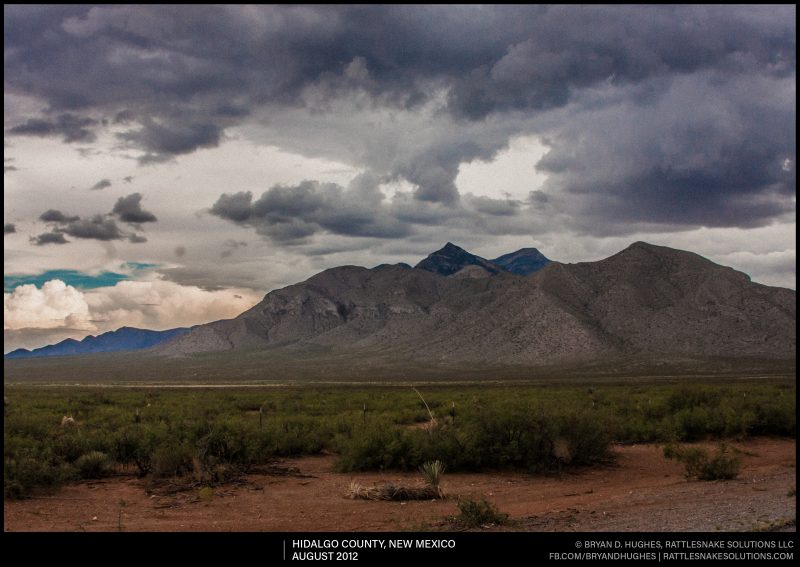
Animas Mountains, New Mexico
The backside of a mountain range I’ll probably never be able to hike in … conserved to death.